
Charcoal Carbonization Machine for Sustainable Charcoal Production
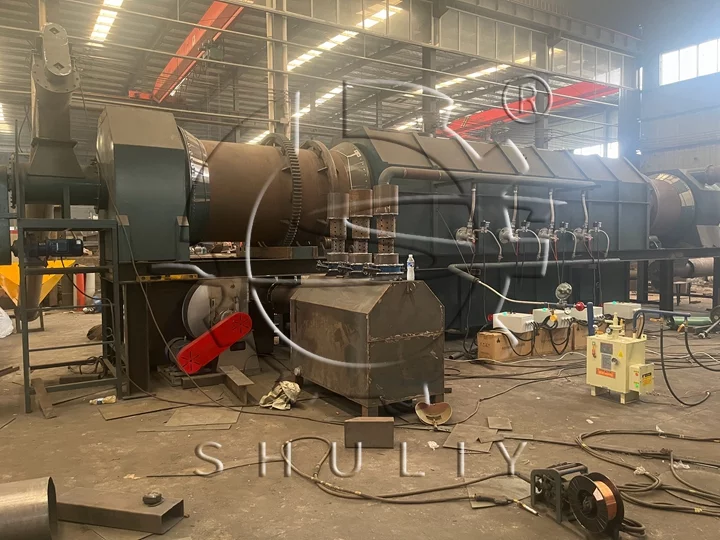
A charcoal carbonization machine for sustainable charcoal can convert biomass into charcoal with high efficiency and low environmental impact. Compared with traditional batch kilns, continuous carbonization furnaces enable stable, uninterrupted operation, making them suitable for modern and eco-friendly charcoal production lines.
By maintaining controlled temperature and oxygen-limited conditions, the machine ensures consistent carbonization quality while reducing energy waste and emissions.
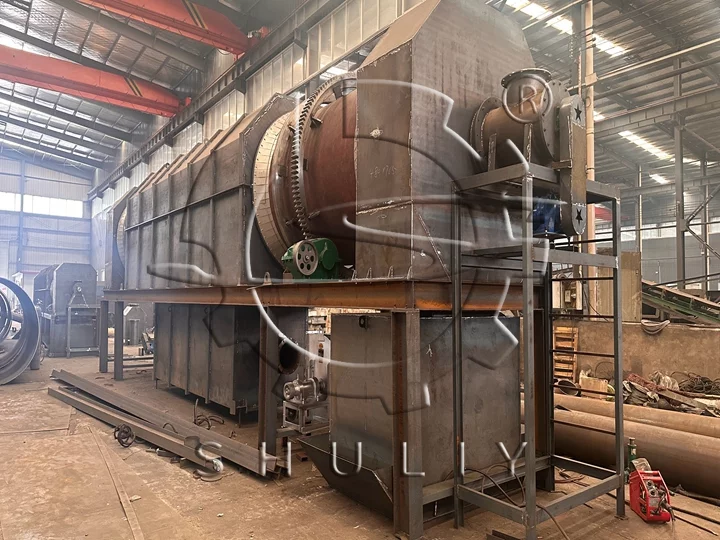
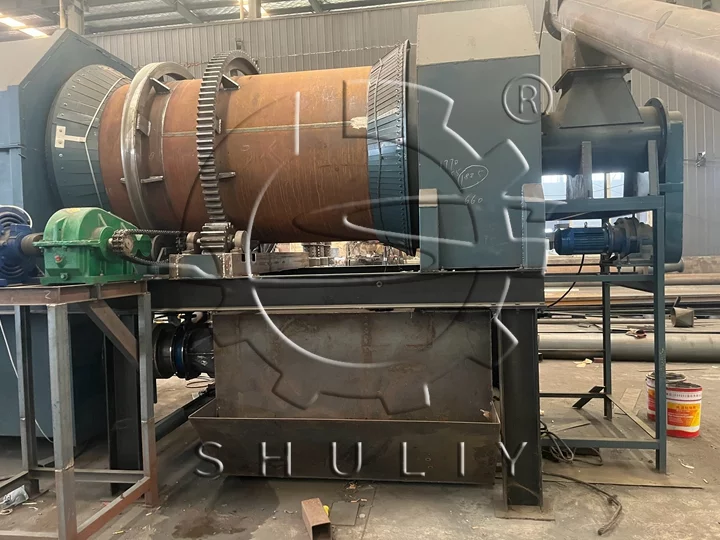
Suitable Raw Materials for Continuous Carbonization
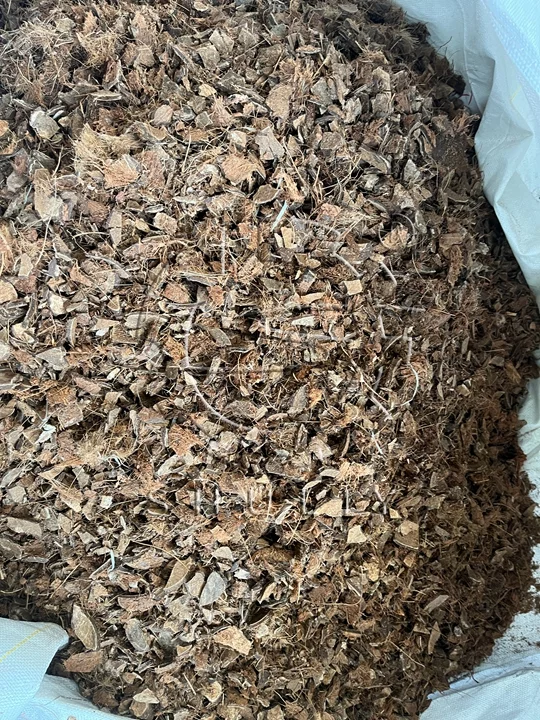
Continuous charcoal carbonization machines are ideal for small and uniform biomass materials with low moisture content. Common raw materials include sawdust, rice husks, peanut shells, coconut shells, palm shells, and other agricultural residues.
Proper material size and moisture control help improve carbonization efficiency and ensure uniform, high-carbon charcoal output.
Working Principle of the Carbonization Machine
The charcoal carbonization machine operates through continuous dry distillation. Biomass is fed automatically into the furnace, where it passes through heating, carbonization, and cooling stages in sequence.
During carbonization, combustible gases generated from the biomass are collected and reused as fuel for the system, reducing external energy consumption and supporting sustainable operation.
Environmental and Energy-Saving Advantages
A key advantage of using a charcoal carbonization machine for sustainable charcoal is its eco-friendly design. Exhaust gas treatment systems reduce smoke and dust emissions, helping producers meet environmental regulations.
The reuse of combustible gas improves overall energy efficiency and lowers production costs, making the process both environmentally and economically sustainable.
Quality of Charcoal Output
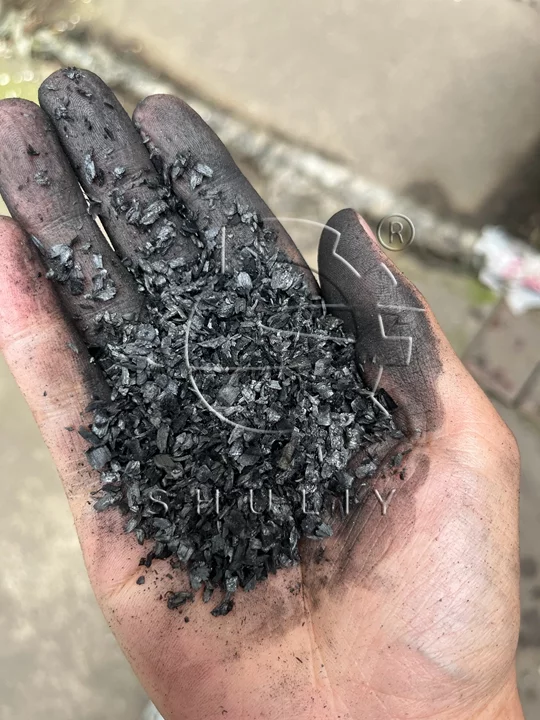
Charcoal produced by continuous carbonization machines typically features low moisture content, high fixed carbon, and stable burning performance. The uniform quality makes it suitable for fuel, barbecue charcoal, and further processing such as briquetting or activated carbon production.
Conclusion
A charcoal carbonization machine for sustainable charcoal offers an efficient, clean, and scalable solution for modern charcoal producers. With continuous operation, energy recycling, and low emissions, it supports sustainable biomass utilization while delivering consistent, high-quality charcoal output.