
How to Reduce Fuel Costs with a Modern Carbonizing Furnace?
Fuel consumption is one of the key costs in charcoal production. A Carbonizing Furnace can help manufacturers reduce fuel use by improving heat utilization and recycling combustible gas generated during carbonization.
Reuse Combustible Gas
During carbonization, biomass releases combustible gas. Instead of wasting this gas, a modern tanuru ya kuchoma makaa can guide it back to the combustion chamber for heating. This allows the furnace to gradually rely on its own generated gas and reduces the need for additional fuel.
Improve Heat Insulation
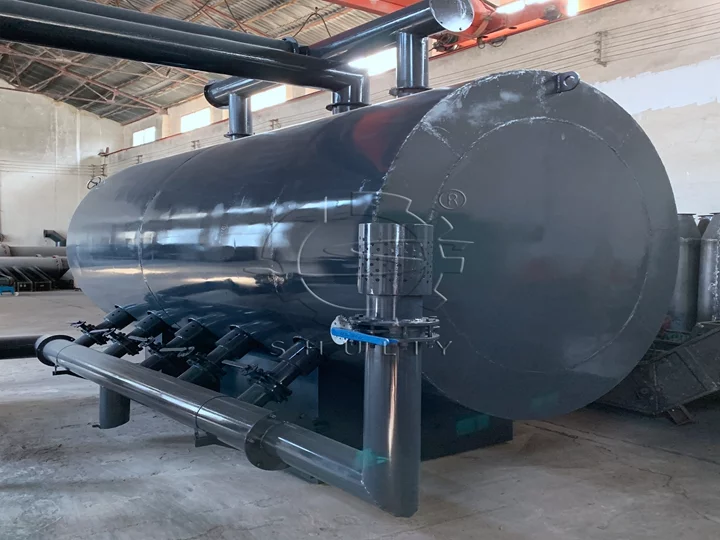
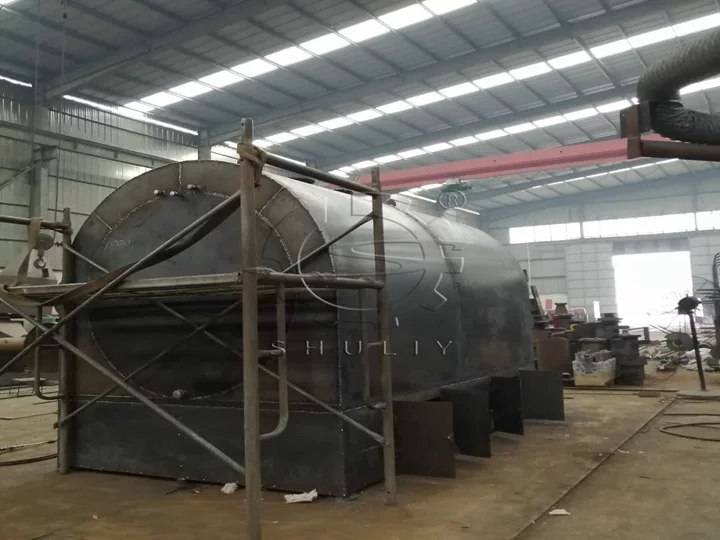
Heat loss can increase fuel consumption. The horizontal carbonization furnace uses an insulated double-layer structure to reduce heat dissipation and maintain a stable internal temperature. Better heat retention means more of the generated energy is used for carbonization.
Maintain Good Sealing
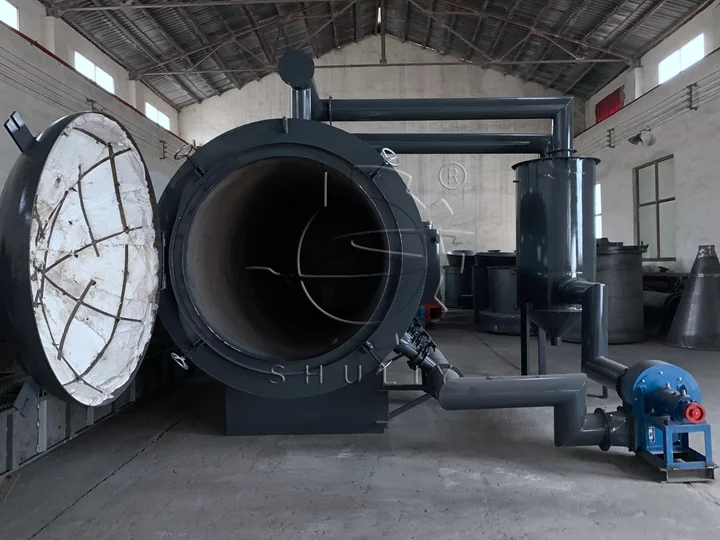
A well-sealed furnace helps prevent unnecessary heat loss and unwanted air from entering the carbonization chamber. Proper sealing contributes to more stable carbonization and better energy efficiency.
Choose the Right Furnace Capacity
Choosing the correct capacity is also important. The horizontal carbonizing furnace offers different models for different production requirements, with capacities ranging from approximately 900–1,200 kg to 2,500–3,000 kg per 12–14 hours.
Hitimisho
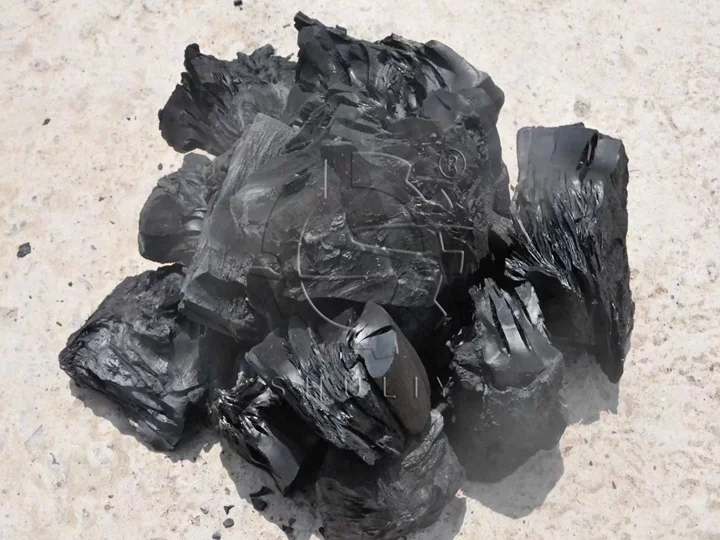
A modern Carbonizing Furnace can reduce fuel costs through combustible-gas recycling, effective insulation, reliable sealing, and appropriate capacity selection. For charcoal producers, these features can improve energy efficiency while supporting stable and continuous production.