
¿Qué materiales son adecuados para la máquina formadora de briquetas de biomasa?
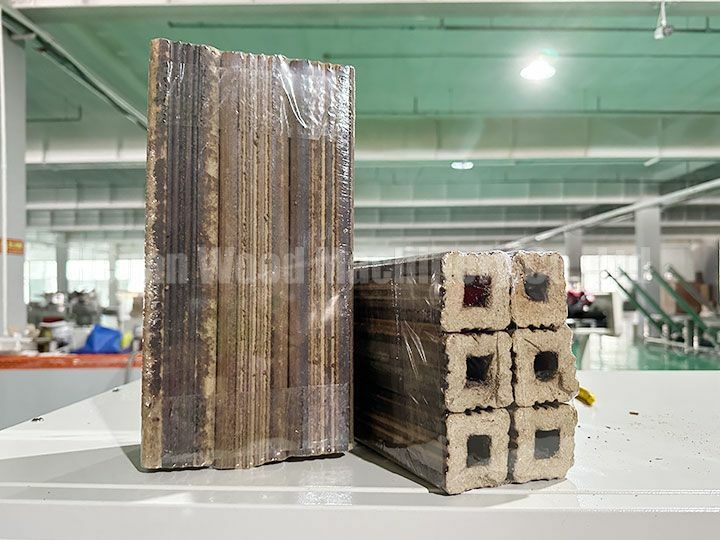
La máquina formadora de briquetas de biomasa puede convertir varios tipos de residuos de biomasa en briquetas de combustible sólido de alta densidad.
Estas briquetas pueden usarse como una alternativa ecológica a combustibles tradicionales como la leña y el carbón, ofreciendo una mejor eficiencia de combustión, reducción de la contaminación y un almacenamiento y transporte más fáciles.
Entonces, ¿qué materiales son adecuados para la máquina formadora de briquetas de biomasa?
Materiales a base de madera
Los materiales crudos más comunes e ideales para máquinas de briquetado de biomasa son los residuos derivados de la madera. Estos incluyen:
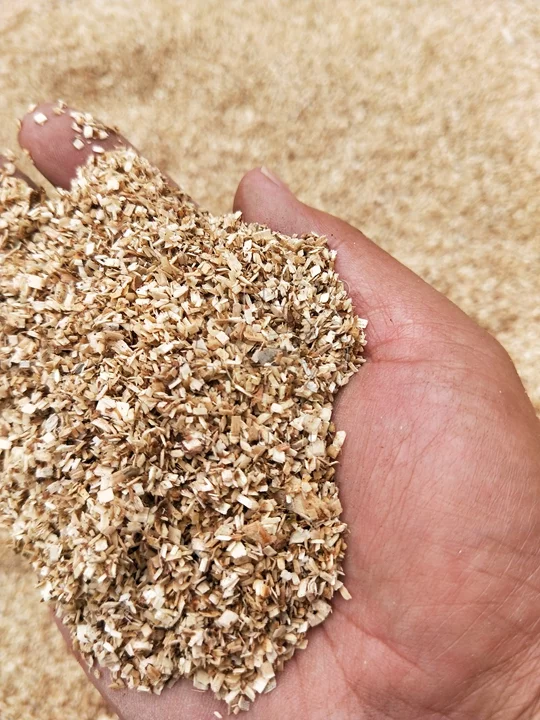
- Serrín — de aserraderos, fábricas de muebles y procesamiento de madera.
- astillas de madera y virutas de madera — de la tala, el cepillado o la fabricación de madera.
- Corteza y ramas pequeñas — estas pueden mezclarse con aserrín para mejorar la calidad de la briqueta.
Estos materiales son ricos en lignina, un aglutinante natural que ayuda a fusionar las partículas bajo calor y presión durante el briquetado.
Residuos agrícolas
Las máquinas de briqueteado de biomasa también son capaces de procesar una amplia gama de subproductos agrícolas, lo que las hace versátiles para diferentes regiones e industrias. Ejemplos comunes incluyen:
- Cáscaras de arroz y mazorcas de maíz
- Paja y bagazo (residuos de caña de azúcar)
- cáscaras de maní, cáscaras de coco, y cáscaras de café
- Hojas y otros residuos de cultivos
Estos materiales suelen ser abundantes y subutilizados, proporcionando una excelente materia prima para briquetas de combustible después de un tamaño adecuado y secado.
Residuos de biomasa mezclados
Más allá de la madera y residuos de cultivos, muchos otros residuos orgánicos pueden ser briqueteados, a menudo después de un procesamiento inicial:
- Chips de bambú
- Ramas podadas de árboles
- Fibras y cáscaras de plantas
Mientras que algunos tipos de biomasa (como hojas o corteza) pueden no compactarse bien por sí solos debido a sus bajas propiedades de unión, mezclarlos con materiales como aserrín garantiza una formación y densidad óptimas de las briquetas.
Requisitos de preparación del material
Para lograr briquetas de alta calidad, los materiales crudos generalmente deben cumplir con condiciones físicas específicas antes de ingresar a la máquina de briquetado:
- Tamaño de partícula adecuado: Idealmente por debajo de 3–5 mm, requiriendo trituración para residuos más grandes como ramas.
- Bajo contenido de humedad: Normalmente controlado por debajo del 8–12% — el exceso de humedad puede dificultar el moldeado y reducir la calidad de la briqueta.
- Sin aglutinantes añadidos (para muchos sistemas): Muchas máquinas de biomasa dependen de la lignina natural y la presión para la unión.
¿Por qué son adecuados estos materiales para la máquina formadora de briquetas de biomasa?
Estos materiales de biomasa son efectivos en la formación de briquetas porque:
- Ellos contienen aglutinantes naturales (como la lignina) que se activa bajo calor y presión.
- Son renovable y ampliamente disponible como subproductos de la agricultura y el procesamiento de madera.
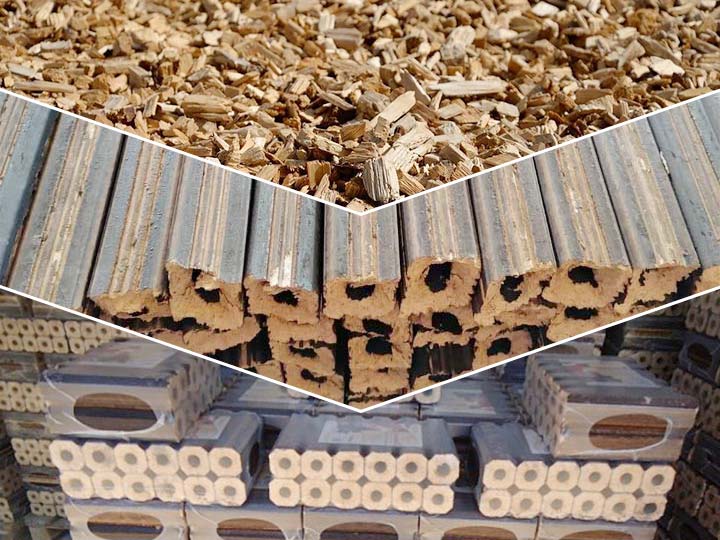
- Pueden ser transformados en varillas de combustible estables y de alta densidad apropiadas para calefacción, energía industrial o carbonización adicional en briquetas de carbón vegetal.
Conclusión
En conclusión, una máquina formadora de briquetas de biomasa es altamente adaptable y puede procesar una amplia gama de residuos de madera, residuos agrícolas y materiales de biomasa mezclada. Siempre que los materiales crudos estén adecuadamente triturados y secados, pueden comprimirse eficientemente en briquetas de alta densidad con un excelente rendimiento de combustión.
Al convertir residuos de biomasa de bajo valor en combustible limpio y renovable, las máquinas de briquetado de biomasa no solo mejoran la utilización de recursos, sino que también apoyan una producción de energía sostenible y rentable para varias industrias.